
Black History Month: A Living Legacy in America
The Presidential Gazette
A nonpartisan publication committed to thoughtful reflection, history, and service
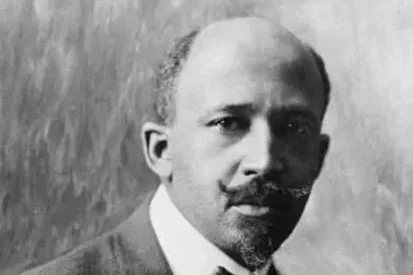
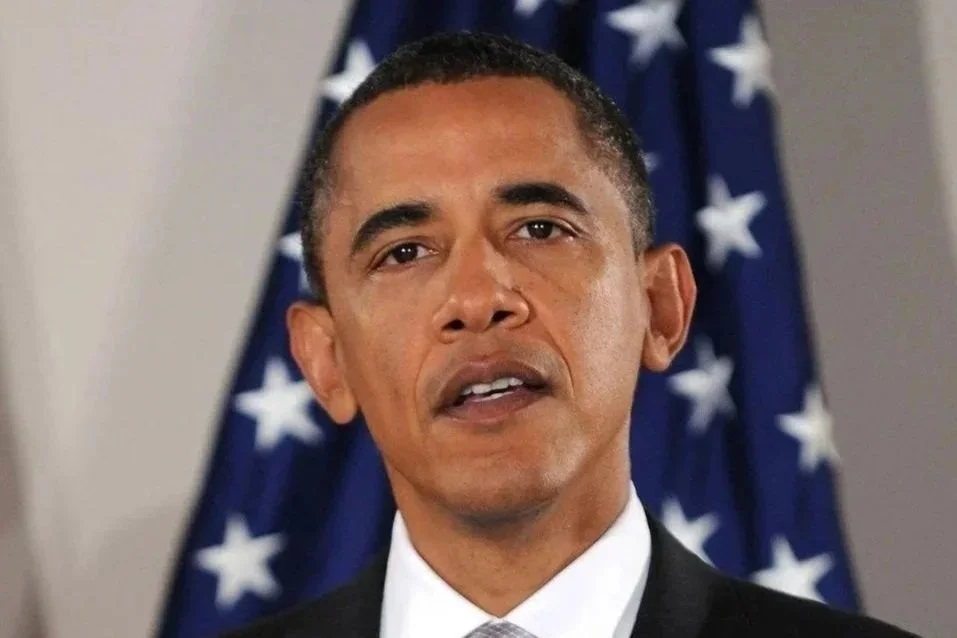
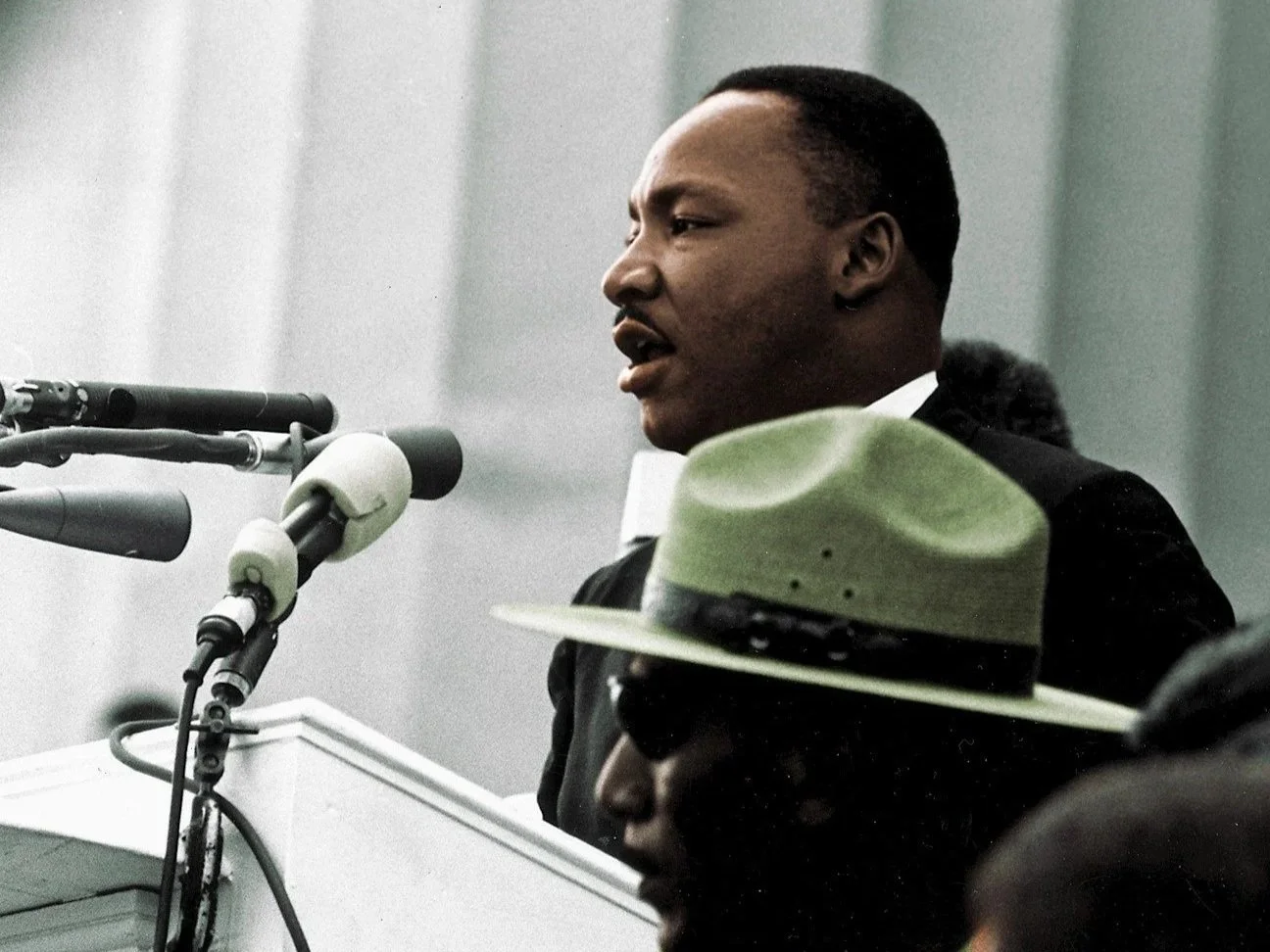
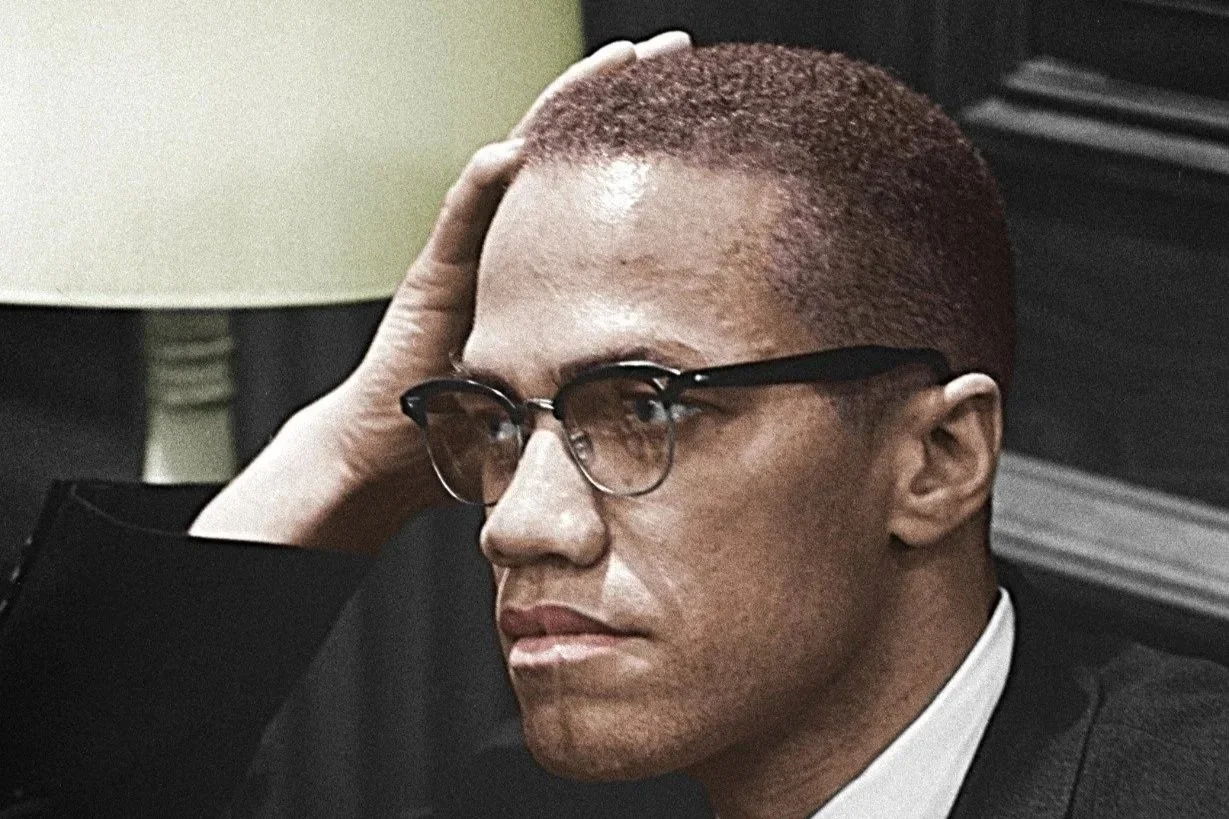
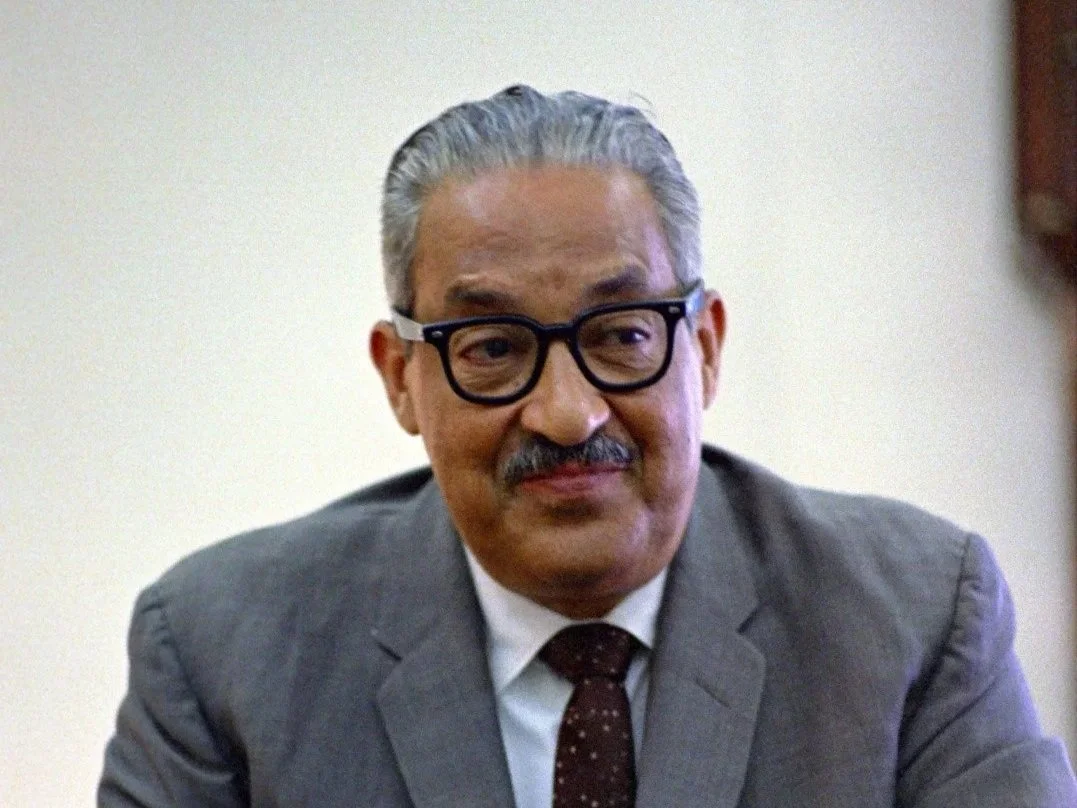
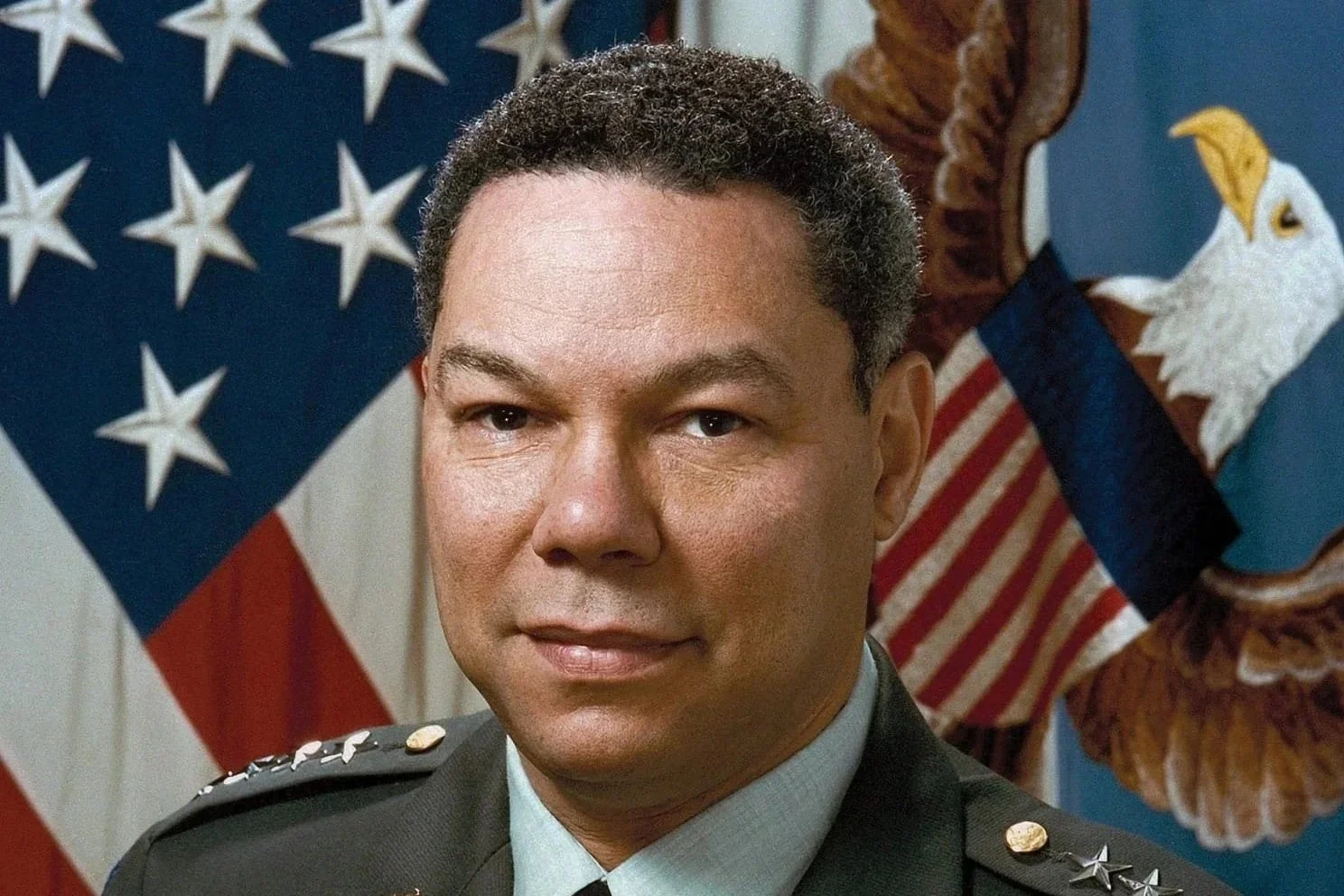
As we move through the early days of Black History Month, we pause as a nation to reflect, not in fragments, but in full view. This observance is not political. It is historical. It is human. It is a time to honor, not to place history in a box, but to recognize its ongoing influence and responsibility.
Black history is not confined to the past. It is living, breathing, and present. It lives in leadership and literature, in classrooms and courtrooms, in service and sacrifice. It carries brilliance and burden alike. While progress has been made, the pain has not disappeared. History does not resolve itself simply because time moves forward.
When Americans reflect on the turning points that shaped this nation, the Civil War stands as a defining moment. It exposed the deepest fractures in American life and forced the country to confront the moral cost of enslavement. For Black Americans, that era was not merely a historical conflict, but a fight for humanity, dignity, and survival. The legacy of that struggle did not end when the war concluded. It carried forward into generations of advocacy, leadership, and sacrifice.
From that legacy emerged voices that continue to shape the conscience of the nation. Martin Luther King Jr. called America to live up to its promises through moral courage and nonviolence. Malcolm X demanded truth, self-determination, and accountability. Thurgood Marshall reshaped the legal system from within institutions that once excluded him, proving that justice can be built even inside imperfect structures. Barack Obama represented the visible expansion of possibilities through perseverance. Colin Powell modeled leadership rooted in service, discipline, and integrity on the national and global stage.
Beyond public leadership, scholars and historians have long examined the deeper currents shaping Black history in America, including economic suppression and structural barriers that outlived the eras that created them. Thinkers such as W. E. B. Du Bois articulated a truth that still resonates today: that freedom without access, equity, and opportunity remains incomplete.
There is also an unresolved question that remains part of the national reflection. Other communities have received restitution, formal acknowledgment, or repair for historic harm.
Enslavement stands as one of the most painful chapters in our nation’s history. Remembering it is not about dwelling in the past, but about learning from it, acknowledging its impact, and committing to a more just future. Our nation's history includes the deeply painful chapter of enslavement. Acknowledging this is essential, not as an act of dwelling in the past, but as a critical means of learning from it, recognizing its lasting impact, and dedicating ourselves to building a more equitable future.
Naming this reality is not an act of division. It is an act of historical honesty. Avoiding it does not bring healing. Addressing it creates the possibility for progress.
Black History Month is often misunderstood as a static observance, a box to check, a chapter to revisit briefly and then set aside. In truth, honoring history does not mean staying still. It means learning, amplifying, and continuing the conversation. It means recognizing that Black history informs Black entrepreneurship, Black innovation, Black leadership, and the future generations being shaped right now. What we honor today must also guide what we build tomorrow.
Food is one of the most powerful and often overlooked storytellers in Black history. It has been more than sustenance. It has been survival, memory, resistance, and legacy passed hand to hand and generation to generation. Enslaved Africans carried agricultural knowledge, cooking techniques, and cultural memory into a land that depended on their skill while denying their humanity. From fields to kitchens, from open fires to family tables, food became a language of resilience when so much else was taken away.
Black culinary history reveals innovation under constraint and creativity under pressure. It tells the story of how American cuisine itself was shaped, influenced, and sustained by Black hands, minds, and traditions. To understand Black history fully is also to understand how food connects heritage, entrepreneurship, and identity, and how these traditions continue to inform Black-owned businesses, chefs, farmers, and cultural leaders today.
Featured Reflection: Food as History
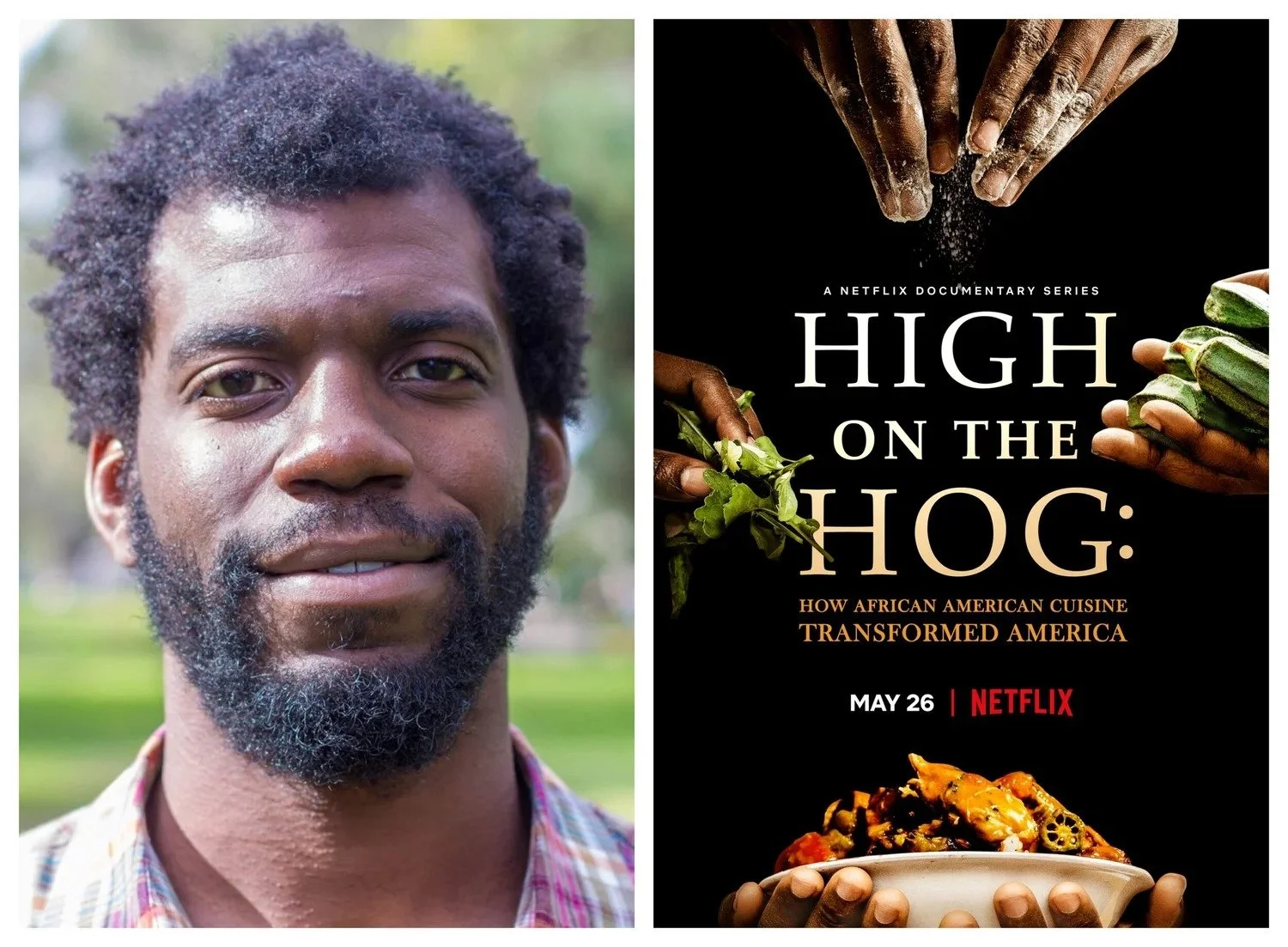
High on the Hog
To deepen today’s reflection, we invite readers to explore High on the Hog (available on Netflix), a powerful documentary series that traces African American culinary history from its African roots to its profound influence on American culture. Through storytelling and lived experience, the series highlights how food carries history, dignity, and legacy.
While the full series is available on streaming platforms, there are curated interviews, trailers, and reflection clips available on YouTube through official and educational outlets. These short form reflections provide meaningful context and serve as accessible entry points for learning and continued conversation. A selected YouTube reflection is shared alongside today’s article.
Honoring Black history means honoring every layer of contribution, including the foods that nourished families, preserved culture, and built pathways to entrepreneurship and innovation. Food is not a sidebar in Black history. It is a cornerstone.
And still, there is hope.
There is hope in the understanding that people are not alone in their grief, their anger, or their exhaustion. Hope in the belief that dignity is not finite and freedom is not reserved. Hope that leadership today can rise with clarity and courage equal to, and greater than, those who came before.
Black History Month is not only about remembrance. It is a reassurance. It affirms that Black history is American history, inseparable from the nation’s identity, values, struggles, and aspirations. It reminds us that legacy is not built solely through laws or speeches, but through resilience, service, innovation, and the insistence on being seen.
At the Presidential Service Badge Foundation, we remain committed to honoring history, service, and humanity without partisanship. Remembering well strengthens unity. Truth builds understanding. And continued dialogue shapes the future.
This conversation does not end this month. It continues through education, entrepreneurship, leadership, and the generations yet to come.
Contributor Invitation
The Presidential Gazette is a living publication. As we continue to expand our reflections on service, history, leadership, and legacy, we welcome thoughtful contributors who bring insight, experience, and perspective to our growing national dialogue.
If you are a writer, educator, historian, veteran, community leader, or practitioner whose work aligns with our mission, we invite you to share your voice with our readers as we broaden the scope and reach of the Presidential Gazette.

The Presidential Gazette is an exclusive publication of the Presidential Service Badge Foundation. A nonpartisan publication committed to thoughtful reflection, history, and service.
All content, articles, and reflections are protected by copyright law and may not be reproduced, distributed, or republished without prior written consent.
To inquire about contributing or to submit an article proposal, please use the contact form on our website.
© Presidential Service Badge Foundation. All rights reserved.
